PATIeNT SERVICES

Workplace Injury

Work injuries can be overwhelming. WorkStar guides you through every step of your workers' comp process — from claim filing to evaluation, treatment, documentation, and return-to-work coordination — so you’re never navigating it alone.

What to do after a Work Comp Injury?

  1. Inform your employer of your injury and file a WC-1 form.
  2. Contact WorkStar to schedule an appointment. No referral required.
  3. Begin your road to recovery under the care of a WorkStar provider.
Workplace INJURY

Common Injuries We Treat

Falling

Falls from ladders, scaffolding, or elevated platforms may require specialized care.

Slips & Trips

Unexpected slips or trips on wet floors, uneven surfaces, or cluttered work areas.

Over Exertion

Lifting, pulling, or pushing too much weight can lead to sprains, strains, or herniations.

Repetitive Motion Injuries

Repetitive tasks causing carpal tunnel, tendonitis, and other overuse injuries.

Vehicle Accidents

Motor vehicle collisions that happen while performing job duties.

Punctures & Lacerations

Cuts and wounds from heavy machinery, tools, or sharp equipment.

Chemical Exposure

Contact with hazardous chemicals can cause burns, respiratory issues, or skin reactions.

Soft Tissue Injury

Whether it’s a fall from a ladder, scaffolding, or elevated platform, these injuries often require specialized care.

*The information above is for general informational purposes only and does not constitute medical advice, diagnosis, or treatment. Always consult a qualified healthcare provider before making any medical decisions.

Services

WorkStar Can Help

When a workplace injury happens, navigating treatment and workers' comp shouldn't fall on you. We handle the clinical and administrative complexity — so you can focus on getting back to work.
Clinician conducting a vision screening as part of a workplace physical exam

Evaluations

We provide professional medical evaluations to ensure an accurate diagnosis and an effective recovery plan following a workplace injury.

Woman in gray shirt talking to male medical professional in navy scrubs holding a clipboard.

Personalized Treatments

We deliver one-on-one, personalized care that addresses your specific injury and builds a clear roadmap for your return to work.

Physical therapist assists man in green shirt doing leg stretch on treatment table in clinic.

Specialist Referrals

We provide seamless referrals to leading specialists to ensure you receive comprehensive, multidisciplinary care for every aspect of your injury.
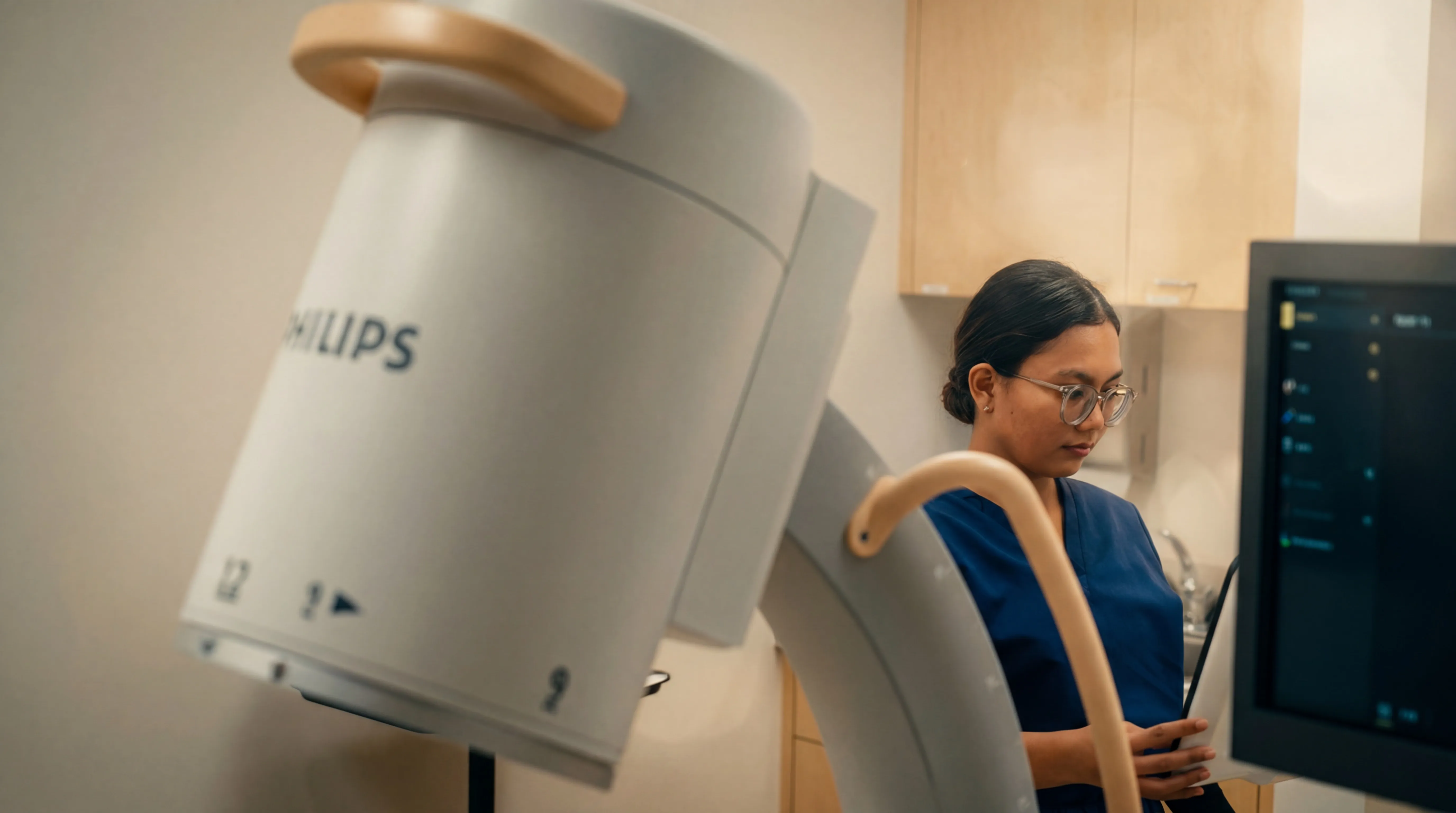
WorkStar staff member operating x-ray imaging equipment

Diagnostic Imaging

We utilize advanced diagnostic imaging to pinpoint hidden workplace injuries, ensuring your recovery is built on a foundation of clinical accuracy.

Healthcare worker in navy scrubs reading documents while seated at a counter in a medical office.

Documentation

We provide thorough and ongoing medical documentation that tracks your recovery and supports your workers' compensation claim.

Woman smiles as she hands a clipboard with forms to a receptionist behind a desk in an office.

Coordination

Our team simplifies the process by coordinating your workers' compensation benefits with your employer and insurance carrier, so your coverage is maximized while you focus on healing.

Frequently Asked Questions

FAQ - Workplace Injury

Report the injury to your employer and have them file an “Employer’s Report of Industrial Injury/Illness” (WC-1), as soon as possible.
Yes, if your injury occurred on the job, you should file a workers’ compensation claim to ensure you receive the medical care and benefits you’re entitled to. Our team can help you navigate this process.
If you were injured while performing work duties, you may be covered under Workers’ Compensation, which provides medical care at no cost through your employer’s insurance. We can help guide you through the process if you're unsure about your coverage.
As soon as possible! Delaying treatment can slow recovery and may impact your insurance claim.
During your first visit, you’ll meet with a provider who specializes in injury care. They will assess your condition, discuss your symptoms, and perform any necessary exams or tests. Based on the evaluation, you’ll receive a personalized treatment plan, which may include work restrictions, therapy recommendations, or follow-up care. If additional testing or specialist referrals are needed, we’ll guide you through the next steps to support your recovery.
This depends on the severity of your injury. Our goal is to provide effective treatment that helps you recover quickly and safely return to work. We’ll work with you and your employer to develop a suitable plan.
Recovery time depends on the type and severity of your injury. Our goal is to help you heal as quickly and safely as possible, whether that means modified work duties or follow-up care.
Some injuries don’t show symptoms right away, so it’s important to monitor your condition. If your symptoms worsen, schedule a follow-up appointment for further evaluation and treatment.
Yes! We work with both employees and employers to develop light-duty and modified work programs to help you return to work.
Yes, WorkStar works directly with employers, insurance carriers, and case managers to streamline the claims process. We provide medical documentation, work status updates, and treatment plans to support your recovery while keeping all necessary parties informed.
If your employer denies compensability, you should contact your nearest Disability Compensation Division (DCD) office and file an “Employee’s Claim for Workers’ Compensation Benefits” (WC-5).
If there are any issues which cannot be resolved by agreement, you may request for a hearing. A hearing will be held, and a decision will be rendered. If you or the employer/insurance carrier/adjuster disagrees with the decision, the decision may be appealed by filing a notice of appeal with the department within 20 calendar days after a copy has been sent to each party.
You should first obtain a treatment plan from your attending physician and have a copy sent to the employer. If the employer denies the treatment plan, you may request a hearing. The treatment plan from your attending physician is very important. Without the treatment plan, further treatment may not be authorized, and a hearing may not be scheduled.